
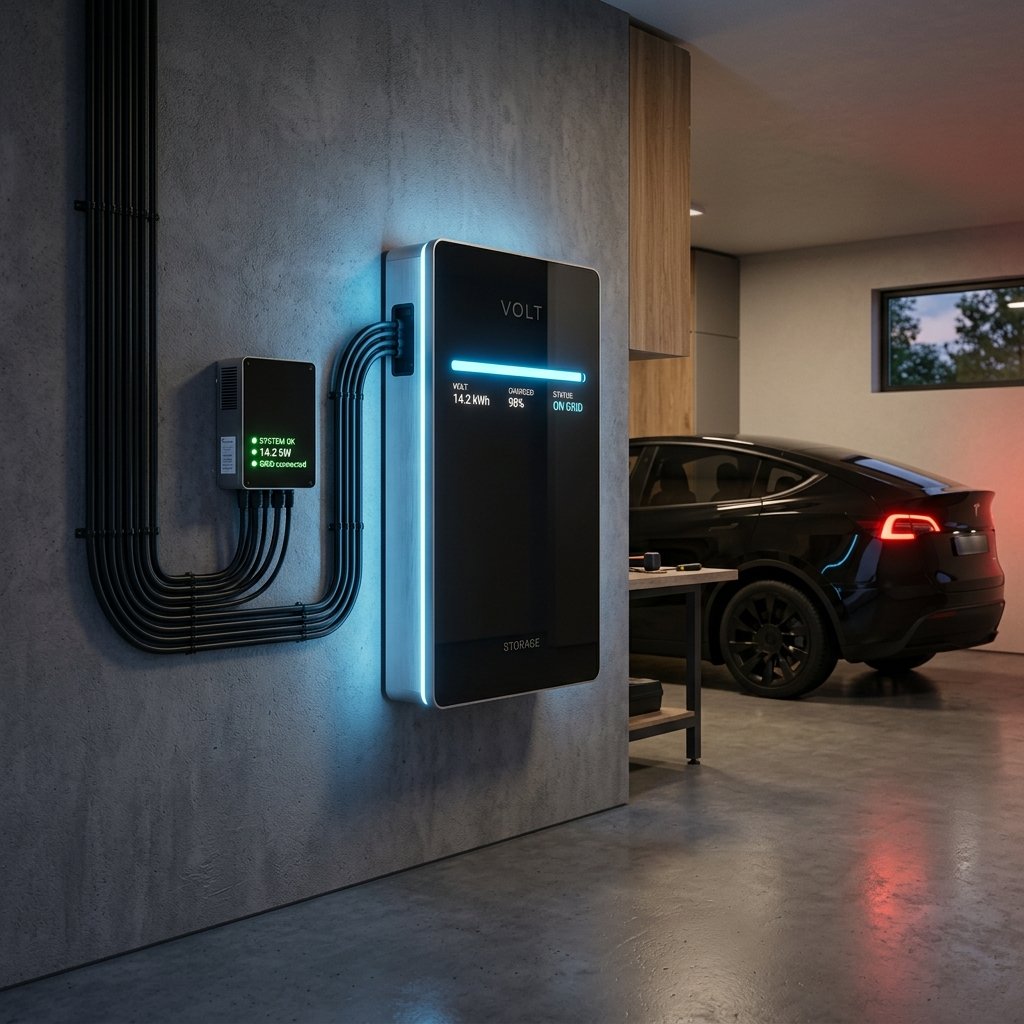
Solar Batteries in Brisbane & the Gold Coast
Imagine using your own solar power after the sun goes down. A home battery stores extra solar energy during the day so you can use it in the evening, and can give backup power during an outage if your system is set up for it.
Battery Options
We install reputable battery systems engineered for Australian climate conditions. Specifications come from manufacturer datasheets and differ by model, capacity, and home switchboard setup.
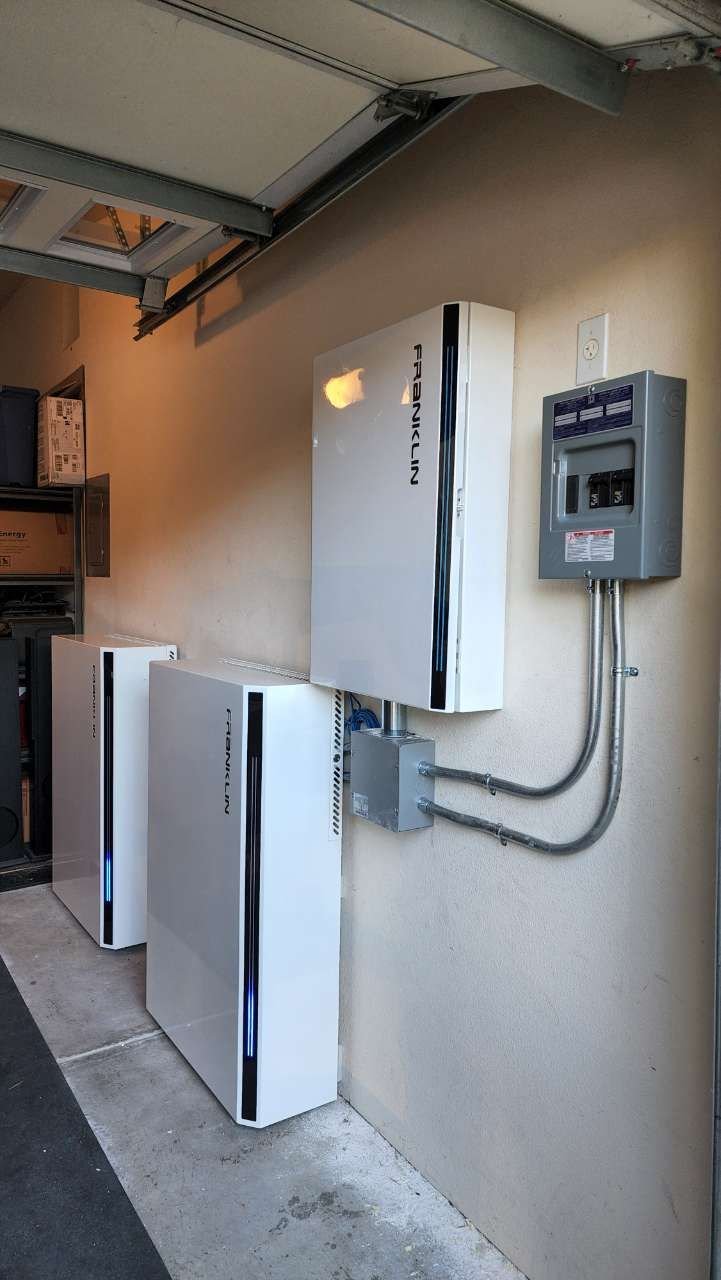
Sigenergy SigenStor
Modular 5–48 kWh storage · 5-in-1 energy system · fast solar & EV integration
- Modular stackable 5 kWh to 48 kWh capacity
- 5-in-1 system combining solar, storage and EV charging
- Safe Lithium Iron Phosphate (LFP) chemistry
- Seamless hybrid inverter compatibility with 0ms backup
- Cheaper Home Batteries Program eligible*
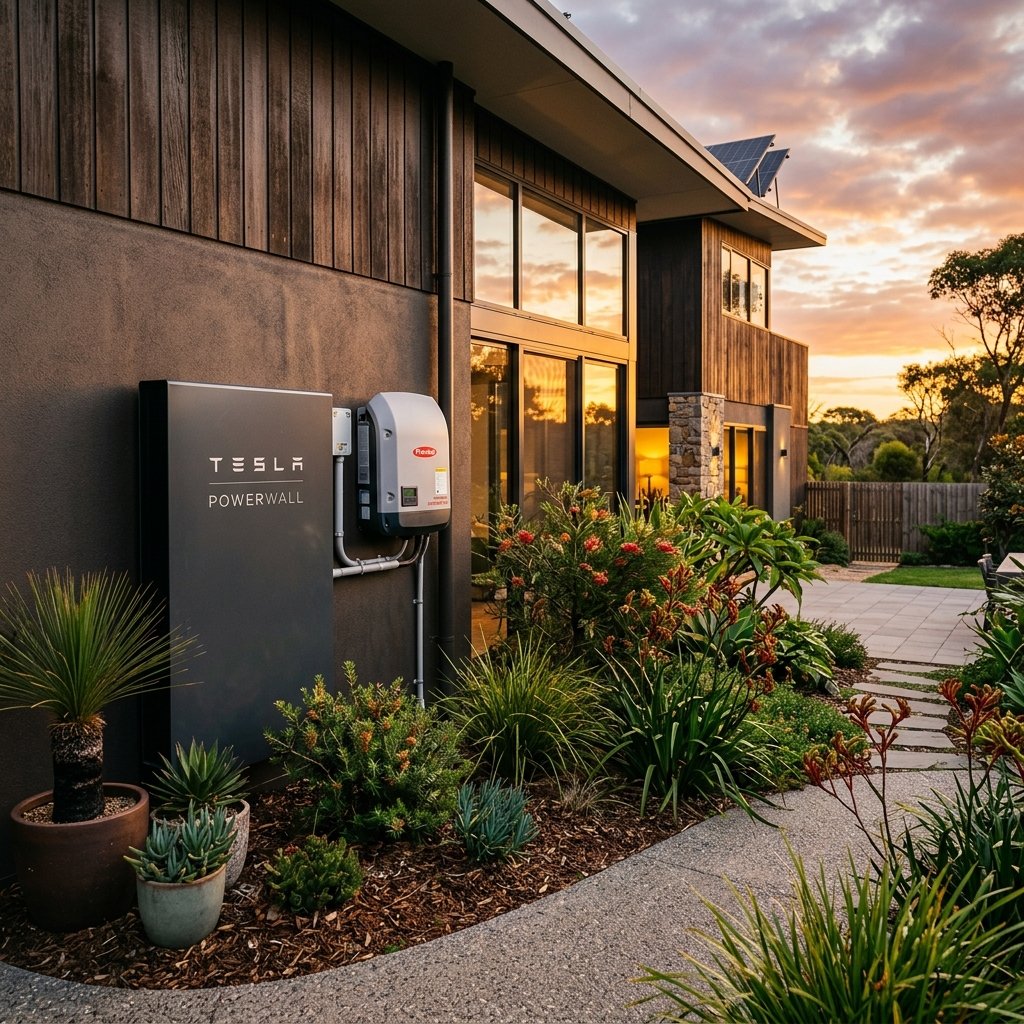
Sungrow High-Voltage Battery
Modular 9.6–25.6 kWh storage · high-voltage LFP · 100% usable energy
- Modular stackable design from 9.6 kWh to 25.6 kWh per unit
- High-voltage Lithium Iron Phosphate (LFP) prismatic cells
- Seamless pairing with Sungrow hybrid inverters with <10ms blackout backup
- Up to 30A continuous charging & discharging for heavy household loads
- Cheaper Home Batteries Program eligible*
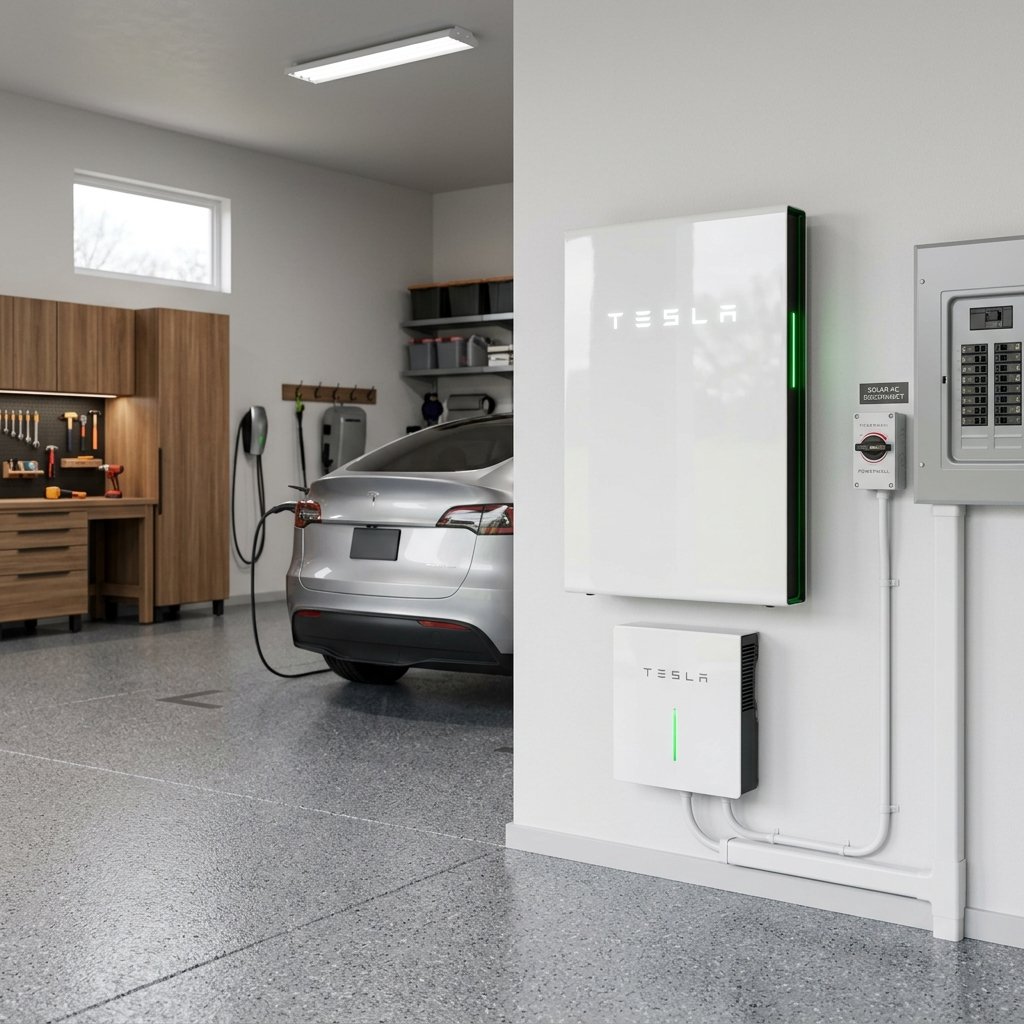
GoodWe Lynx Home Battery
High-voltage Lithium Iron Phosphate (LFP) storage · emergency power supply
- High voltage design with fast charging and discharging
- Safe Lithium Iron Phosphate (LFP) chemistry
- Automated restart upon brownout or power recovery
- Modular expansion to meet family energy growth
- Cheaper Home Batteries Program eligible*
Battery Rebate – Cheaper Home Batteries Program
Eligible new home batteries can receive an upfront discount through Small-scale Technology Certificates (STCs). From 1 May 2026 the discount is tiered by battery size: the full STC factor applies up to 14kWh of usable capacity, a reduced rate applies from 14 to 28kWh, and a lower rate again from 28 to 50kWh.
The discount also steps down over time and is based on the date the battery is installed, not the date you sign. Only one battery per premises is eligible. We calculate your rebate and show it on your quote, using the Clean Energy Regulator calculator.
Add a Battery to Existing Solar?
Often yes. Many existing solar systems can be paired with an AC-coupled or hybrid battery. We check your inverter model, current switchboard capacity, and network eligibility before recommending a solution.
Backup During a Blackout
Backup depends on the battery model, how it is installed, and which circuits are connected. Not every battery provides backup, and a battery may not power every heavy appliance at once. We clearly explain what your system will and will not run during an outage.
Modular vs Integrated Storage
Modular systems like Sigenergy and EcoFlow let you tailor your capacity to your exact home needs and expand in the future. The right choice depends on your usage, existing solar array, budget and backup requirements. Ask us for a side-by-side quote.
Safety & Australian Standards
All batteries are installed by accredited electricians strictly following AS/NZS 5033, AS/NZS 4777, AS/NZS 3000, AS/NZS 3008 and AS/NZS 5139 standards using products from the approved product list.
Frequently Asked Questions
Cost, Rebates & Tariffs
A typical home system price depends on system size, quality of panels and inverter, roof type, and switchboard condition. All prices reflect the upfront Small-scale Technology Certificate (STC) discount. We provide a transparent, fixed written quote after assessing your property.
There is no cash payment sent to you. Eligible solar systems receive Small-scale Technology Certificates (STCs), which are applied directly as an upfront discount on your quote. The number of STCs depends on your system size, geographical zone, and installation date.
Payback depends on your energy consumption, electricity tariff, upfront net system cost, and what percentage of power you use during daylight hours. We provide a tailored payback estimate with clear documented assumptions rather than unrealistic generic claims.
Feed-in tariffs are set by individual electricity retailers (not solar installers) and change periodically. We recommend comparing retailers using the Australian Government's Energy Made Easy comparison tool to maximize your feed-in return.
Your distribution network operator (Energex in South East QLD or Ergon Energy in regional QLD) may place limits on how much surplus solar electricity can be exported to the grid (commonly 5kW per phase). We verify and factor these network limits directly into your system engineering.
Ready to cut your electricity bills with real solar?
Get an obligation-free, transparent quote tailored to your roof and daytime power consumption by our local Queensland engineers.